
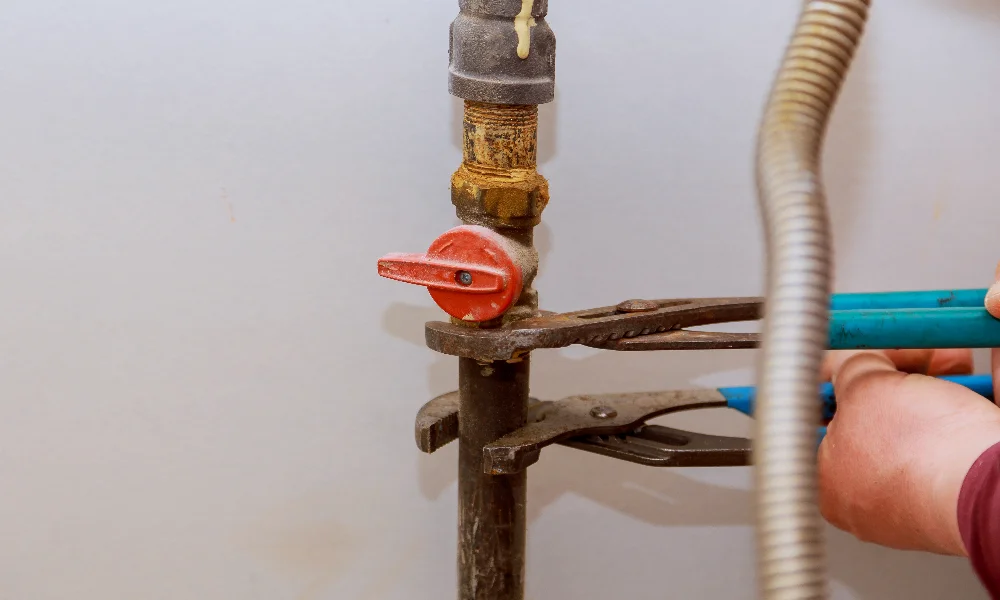
Natural gas powers many essential appliances in your home—from water heaters and stoves to furnaces and dryers. While it’s a convenient and reliable source of energy, it can also be dangerous when things go wrong. That’s why every homeowner should know how to turn off gas line systems safely and correctly.
What Is Water Softener Regeneration?
Yes, you can—and sometimes should—turn off your gas line. But this isn’t something to take lightly. It’s not like flipping a light switch. Gas is flammable, and the process should always be handled with care.
The Process of Regeneration
Regeneration flushes out the collected hardness minerals and recharges the resin beads with sodium ions. It typically involves five stages: backwash, brine draw, slow rinse, fast rinse, and refill. During this process, the system temporarily switches off its softening function.
How Regeneration Affects the Performance of Your Water Softener
Without regular regeneration, the resin can’t do its job correctly. You’ll start noticing hard water signs—spots on dishes, dry skin, or even clogged appliances. A well-timed regeneration keeps your system working like clockwork and protects your plumbing from hard water damage.
How Often Should a Water Softener Regenerate?
There’s no one-size-fits-all answer. The frequency depends on multiple factors, but most systems regenerate every two to three days or after a certain number of gallons.
Typical Regeneration Cycle Time
Generally, a regeneration cycle takes 1 to 2 hours. So, how long does it take for water softener to regenerate? On average, it’s about 90 minutes. The time may vary slightly depending on your system’s size and model.
Factors That Influence Regeneration Frequency
Several factors impact how often should a water softener regenerate. Let’s break them down.
Water Hardness Level
The harder your water, the more frequently your system will need to regenerate. Test your water if you’re unsure.
Size of the Water Softener
Larger units have more resin and can go longer between cycles. Smaller systems regenerate more often.
Water Usage in the Household
A large family uses more water, which leads to quicker saturation of resin beads.
Flow Rate of the Water
If water flows rapidly through your pipes, the system may need to regenerate more often to keep up.
Type of Regeneration Cycle (Time-Based vs. Metered)
Time-based systems regenerate on a set schedule. Metered systems track water usage and regenerate only when necessary, making them more efficient.
Quality of the Salt Used in the Softener
Low-quality salt can cause bridging and poor regeneration. Always use high-purity salt for best results.
Household Appliances and Water Demand
More appliances like dishwashers or water-using gadgets increase overall water demand, leading to more frequent regeneration.
What Happens If You Don't Regenerate Your Water Softener?
Skipping or delaying regeneration can create several problems.
Decreased Effectiveness of Softened Water
You may begin to notice your water feels “hard” again. That’s because the resin beads are no longer trapping minerals effectively.
Damage to the Water Softener System
Overloaded resin beads can strain your system and shorten its lifespan.
Increased Hard Water Build-Up
Without proper regeneration, hard water minerals can start to accumulate in pipes and appliances again.
How Long Can a Water Softener Go Without Regeneration?
This depends on your usage and the size of your unit. But don’t push it too far.
Maximum Duration Without Regeneration
Typically, a softener shouldn’t go more than a week without regenerating—unless it’s a very large or low-usage system. Otherwise, you risk system overload and reduced performance.
Signs That It's Time to Regenerate
Watch out for these red flags that your system needs attention.
Noticeable Hard Water Stains
If you’re seeing chalky deposits in sinks and tubs again, your resin is likely saturated.
Decreased Water Pressure
Mineral buildup can clog your pipes and reduce water flow.
Presence of Soap Scum
If your soap isn’t lathering well or leaves a film, your water may be hard again.
Water Tastes or Smells Different
Changes in water flavor or smell can signal that the system isn’t filtering minerals properly.
Increased Salt Consumption in the Water Softener
If you notice your softener is using more salt than usual, it may be regenerating too frequently or ineffectively.
What Happens If Your Water Softener Is Regenerating Too Often?
Too much of a good thing can backfire—even with water softeners.
Impact of Frequent Regeneration on the System
Reduced Efficiency of the Water Softener
Frequent cycles can waste salt and water without improving performance.
Higher Operational Costs
Each regeneration uses water and salt. More cycles mean higher utility bills.
Wear on Internal Components
Frequent regeneration puts extra strain on parts like the valve and resin bed.
Potential for System Malfunctions
Overuse may lead to premature wear and breakdowns.
Causes of Over-Regeneration
Incorrect Timer Settings
If your system is time-based, it may be set to regenerate more often than needed.
High Water Hardness Levels
A sudden increase in hardness can trigger more frequent cycles. Recheck your water’s mineral content.
Excessive Water Usage
Running several appliances at once or filling a pool can spike water use and increase regeneration.
Faulty or Malfunctioning Metered Control
If your metered system has a defective sensor, it may think you’re using more water than you are.
How to Correct Over-Regeneration Issues
Adjust the Regeneration Schedule or Timer
Fine-tune your settings based on your household size and water hardness.
Inspect and Clean the Metered Control Valve
Debris or salt buildup can cause faulty readings. Regular cleaning helps avoid this.
Check Water Hardness Levels and Adjust Accordingly
If hardness levels have changed, you’ll need to recalibrate your softener.
Replace Worn-Out Components
Old resin or broken parts can throw off the whole system. Consider a tune-up or upgrade.
FAQs
Is It Ok to Use Water When Softener Is Regenerating?
Usually, no. Most systems bypass the softener during regeneration, meaning you’ll be using hard water temporarily.
Can I Change The Time My Water Softener Regenerates?
Yes, you can. Many systems allow you to schedule regeneration for low-usage hours, like late at night.
How Long Does It Take for a Water Softener to Regenerate?
How long does it take for water softener to regenerate? About 90 minutes on average. Some systems take less time, while others take a bit more
Can You Interrupt a Water Softener Regeneration?
It’s not recommended. Interrupting the cycle may leave the resin bed partially regenerated, reducing efficiency.
Don't Let Your Water Softener Wear Out Early—Stay on Schedule
Knowing how often should a water softener regenerate is key to keeping your water clean, your appliances efficient, and your pipes protected. Keep an eye out for signs of under- or over-regeneration, and make adjustments as needed. Whether you’re new to water softeners or maintaining an older system, proper care keeps everything flowing smoothly.
Contact Wally Blanton for Water Softener System Installation in Antioch, IL
If you’re not sure your water softener is working as it should—or if you’re ready to install a new one—Wally Blanton Plumbing & Sewer is here to help. Serving Antioch, IL, they specialize in water softener installation, maintenance, and troubleshooting.
Visit wbplumbingsewer.com to schedule a service or consultation.
Call Wally Blanton today and give your water—and your home—the care it deserves.