
Natural gas powers many essential appliances in your home—from water heaters and stoves to furnaces and dryers. While it’s a convenient and reliable source of energy, it can also be dangerous when things go wrong. That’s why every homeowner should know how to turn off gas line systems safely and correctly.
How Long Does It Take to Repipe a House?
Typical Timeline for a Whole House Repipe
A whole house repipe typically takes two to five days. Smaller homes with straightforward design may take less time; however, bigger houses or those with more complex plumbing systems may take up to a week. But most reputable plumbers organize their work to cause as little interruption as possible, particularly in homes where residents will be present during the project.
Factors That Influence the Duration
Let’s take a closer look at what influences the time it takes.
Size of the House and Number of Bathrooms
More square footage equals more pipes. A one-bathroom home may be completed in two days. However, a three-bathroom, two-story home could take twice as long.
Type of Piping Material Used
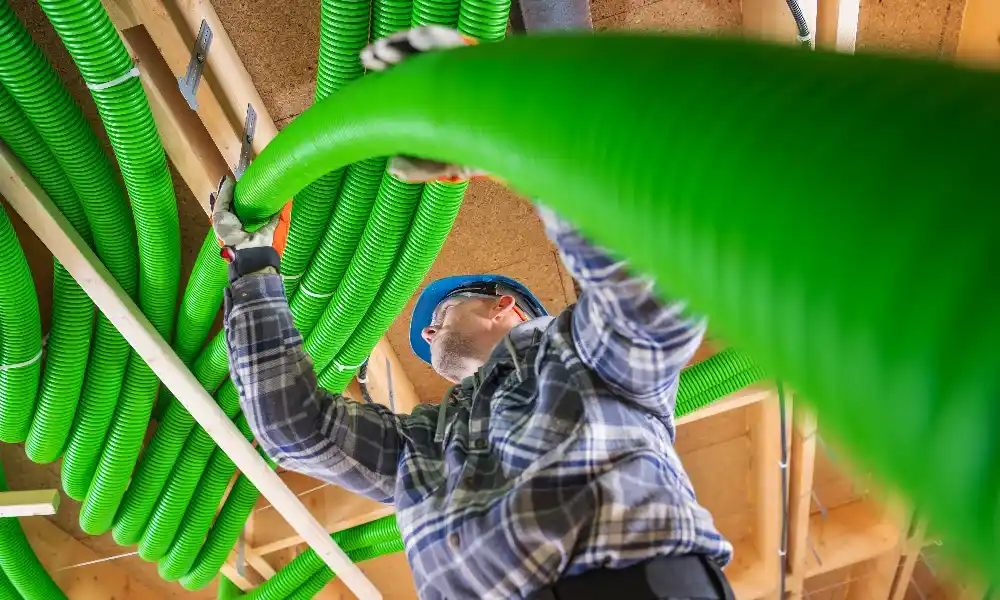
PEX piping installs faster than copper because it is more flexible and requires fewer connections. So, if time is an issue, consult your plumber about material options.
Accessibility of Pipes
If your pipes are hidden behind walls, beneath floors, or in cramped crawl spaces, allow extra time. Easy access equals faster progress.
Permits and Inspections
Most places require permits for repiping, and inspections must be performed before walls can be closed back up. This process may stretch a bit depending on your local municipality.
Plumber's Crew Size and Experience
A seasoned team of professionals with enough workers will move faster than a small or inexperienced staff. So, inquire about this when hiring.
What Is Involved in Repiping a House?
Understanding what is involved in repiping a house can make the experience far less stressful. It’s not just taking out old pipes and installing new ones; there’s a step-by-step procedure.
Step-by-Step Overview of the Repiping Process
1. Inspection and Planning
The plumber inspects your existing system, takes measurements, and develops a thorough plan to replace the old lines.
2. Shutting Off Water Supply
Your water will be turned off during active working hours. Many plumbers will restore it temporarily overnight if possible.
3. Accessing and Removing Old Pipes
They will cut into the drywall, flooring, or ceilings to access the existing pipe. The old pipes are carefully removed and discarded.
4. Installing New Pipes
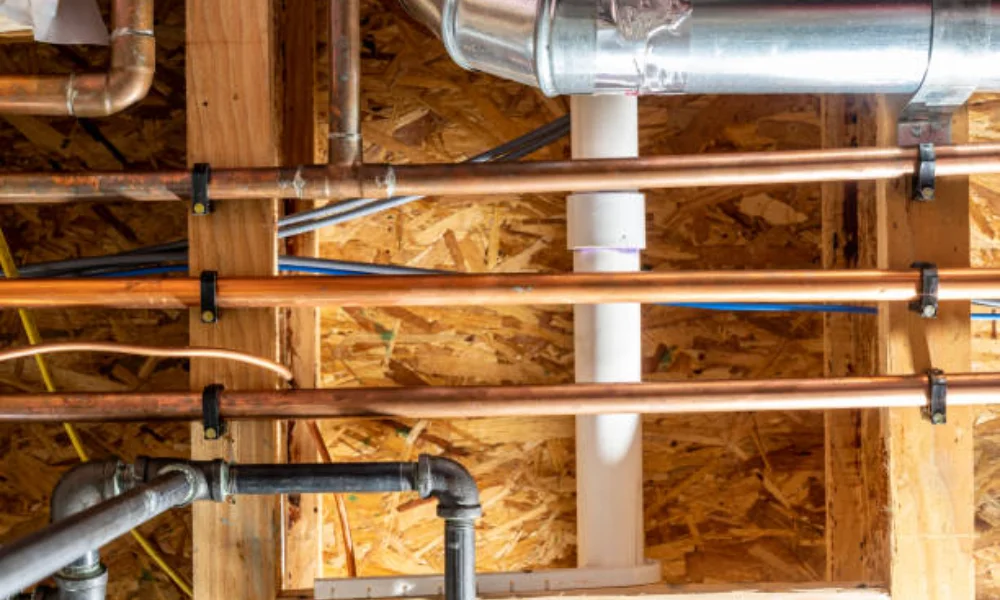
New piping is laid in accordance with the code and plan. This part necessitates precision and knowledge to avoid future problems.
5. Wall Patching and Restoration
After the pipes are installed, the walls are patched up. Full painting or cosmetic work may not be covered; consult with your plumber.
6. Final Testing and Clean-Up
Following installation, the water flow is tested and inspected. Any leaks or pressure difficulties are repaired before the service is considered complete.
What Areas of the Home Are Typically Repiped?
A whole house repipe touches most water-related spaces. Here is a brief summary of the most common ones:
Kitchen
The new pipes link to your sink, dishwasher, and any ice-making machines.
Bathrooms
Tubs, toilets, sinks, and showers all have improved lines to provide consistent water pressure and clean flow.
Laundry Room
Washer connections and utility sinks will be upgraded as part of the process.
Water Heater and Outdoor Connections
Expect new lines to your water heater and any outdoor hose bibs or irrigation systems.
How to Prepare a House for Repiping
Getting your home ready can help things run more smoothly. Here is what you can do.
1. Clear Access to Key Plumbing Areas
Move furniture, remove stuff from under sinks, and clean out closets with pipes.
2. Protect Furniture and Flooring
To protect possessions from dust, cover them with plastic sheets or blankets.
3. Communicate with Your Plumber About Timeline
Ask for a daily schedule and which rooms they’ll be in each day. This helps you plan around the work.
4. Arrange for Water Use During the Project
Stock up on bottled water. Also, try to take a shower at a friend’s or a relative’s house for a few days.
5. Consider Temporary Relocation (If Needed)
If you have children, pets, or work from home, consider staying somewhere else during the most disruptive phases of the renovation.
FAQs
How Often Should You Repipe A House?
Repiping should be done every 30-50 years, depending on the pipe material and water condition.
How Do I Know If I Need To Repipe?
Signs include rusty water, frequent leaks, low pressure, and noticeable corrosion on exposed pipes.
What Is The Alternative To Repiping A House?
You may choose spot repairs, but they are usually temporary remedies. A complete repipe is more cost-effective in the long run.
Ready to Upgrade Your Plumbing? Call the Experts Today
Still wondering how long does it take to repipe a house, or unsure if a whole house repipe is necessary? Don’t be stressed. The job isn’t as daunting as it sounds, especially when done by professionals who know the ins and outs of what is involved in repiping a house.
If you live in Antioch, IL, or the nearby areas, you can rely on the friendly experts at Wally Blanton to complete the job correctly. We have extensive knowledge, offer a straightforward approach, and are known for producing high-quality work without taking shortcuts.
Call Wally Blanton immediately to schedule an inspection and receive a clear quote. Your home’s plumbing deserves the best, so don’t settle for less!